Tummy-Confident Summer: Light Clothes, Full Confidence
Quick Answer: Tummy-confident summer dressing is about silhouette and fabric weight, not extra layers. A-line and empire cuts skim from the ribcage down, midweight linen and crinkle cotton hold their own shape instead of mapping yours, and a high waist defines the narrowest point then releases everything below. Skip thin clingy jersey and direct attention upward with a neckline or earrings.
Winter gives you cardigans, blazers, and the general cover of layers. Summer takes all of it away in one week and hands you a thin cotton dress instead.
If your midsection is where you feel least comfortable, that swap can feel like losing your entire toolkit. It isn’t — the tools just change from covering to cutting.

Why Does Summer Feel Harder to Dress For?
Two things change at once, and they compound.
Layers disappear. The open shirt, the long cardigan, the jacket you could keep on — all of them are off the table above about 78°F, and those were doing most of the work.
And the fabrics get thinner. Lightweight jersey and fine cotton drape closer to the body, and warm skin makes them cling more than the same fabric would in October. A dress that skimmed beautifully in a cool fitting room can behave completely differently on an 85°F afternoon.
So the strategy shifts. Instead of adding a layer between you and the world, you choose a cut that holds itself away from the body and a fabric with enough structure to keep doing that in the heat.
Which Summer Silhouettes Actually Skim?
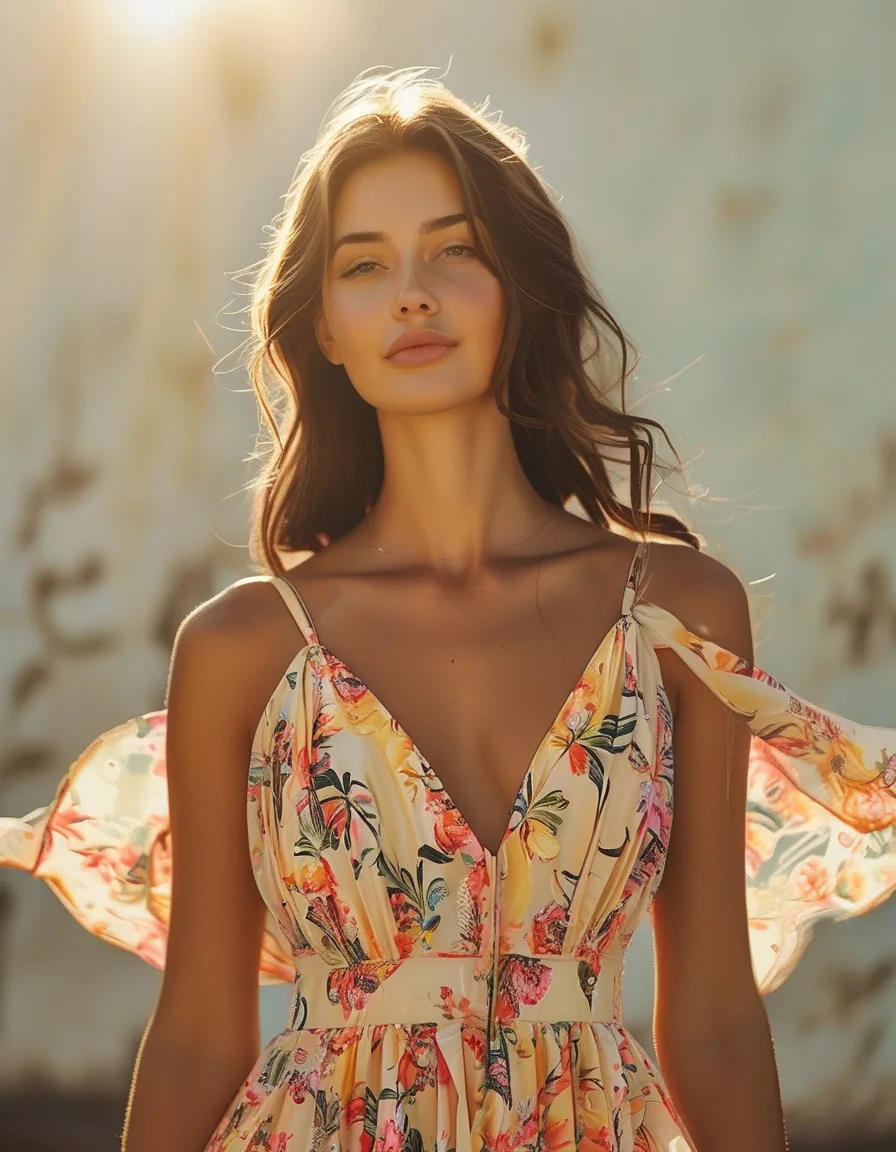
The A-line family does most of the heavy lifting, and conveniently it’s also cooler than anything fitted — more air moves under a skirt that flares.
- A-line dresses and skirts — flare from the waist or ribcage and skim everything below, without touching down.
- Empire cuts — release from just under the bust, which is the highest possible release point and the most forgiving through the middle.
- Trapeze and swing shapes — the most volume, best in a fabric with some crispness so it holds the line rather than collapsing.
- Bias-cut midis — flow past the waist without gripping, as long as the fabric is midweight rather than paper-thin.
The one to be careful with is the tight-then-loose combination, like a fitted bodice with a very full skirt in a slippery fabric. It can work beautifully, but the transition point is exactly where you’ll be most aware of it.

Why Does Fabric Weight Matter More Than Anything Else?
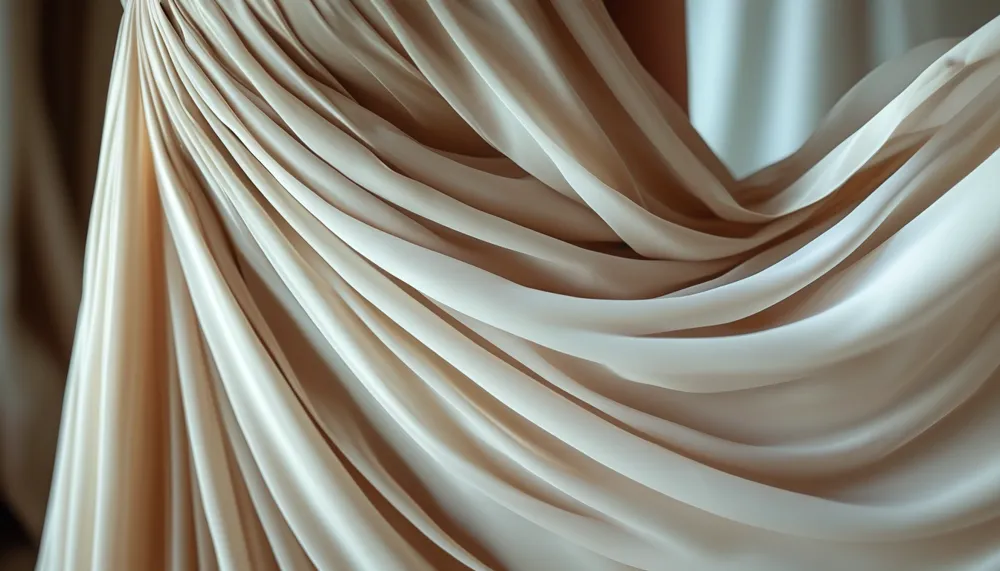
Because fabric with structure holds its own shape. Fabric without it takes yours.
Midweight linen is the summer champion — breathable, opaque, and it stands slightly away from the body. Cotton poplin does the same job with a crisper hand. Crinkle textures and seersucker are quietly the best of all: the texture breaks up the surface so nothing reads as a smooth outline, and the raised weave keeps most of the fabric off your skin.
Matte crepe works well for anything dressier — it has weight and zero shine.
What to avoid in strong sunlight is thin, single-jersey knit, especially in light colors. It clings to damp skin, it goes semi-sheer when backlit, and it shows every line underneath. A midweight version of the exact same style solves it.
What Nobody Tells You About Summer Confidence Dressing
Texture is better camouflage than color. A crinkle or slub weave in white will hide more than a smooth navy will, because the eye reads texture as surface interest and stops looking for an outline.
Backlighting is the real test, not the mirror. Take one photo outside in daylight before you commit to an outfit for an outdoor event. Fitting-room light hides sheerness completely.
A high waist beats a compression garment in the heat. Shapewear in 88°F is genuinely miserable and often creates its own visible edges. A high-waisted flowing trouser with a cropped or tucked top defines the narrowest point and then lets go — same visual result, none of the sweating. A high waist yoga pant with a wide flat waistband does the same job on casual days.
Where the eye lands is a choice you get to make. A statement neckline, an interesting sleeve, a one-shoulder cut, or a pair of big earrings all pull attention upward. Prints do the same by giving the eye something to follow.
Comfortable beats flattering, every time. An outfit you keep adjusting reads as discomfort no matter how well it’s cut. The one you forget you’re wearing always looks better.
Mini FAQ
What fabrics are best for tummy-confident summer outfits?
Midweight linen, cotton poplin, crinkle cotton, seersucker, and matte crepe. They hold their own shape in heat and don’t cling to damp skin the way thin jersey does.
Do I need shapewear for summer dresses?
Rarely, and it’s often counterproductive in real heat. A high-waisted cut plus a fabric with some body achieves the same line without the discomfort or the visible edges.
How do you stop a summer dress from clinging?
Choose a midweight fabric, add a smooth lightweight slip to cut friction against skin, and favor textured weaves over smooth ones. Clinging is mostly a friction-and-static problem, not a fit problem.
TL;DR:
- Summer strategy shifts from layering to silhouette and fabric weight.
- A-line, empire, and trapeze cuts release from the ribcage or waist and skim everything below.
- Midweight linen, poplin, crinkle cotton, and matte crepe hold their shape; thin jersey doesn’t.
- High waist plus a tucked or cropped top beats shapewear in real heat.
- Direct attention upward with necklines, sleeves, or earrings — and pick the outfit you forget you’re wearing.
Silhouette does the work, fabric holds the line, and the season gets worn as lightly as it deserves.
Keep Reading
This article is for general styling and informational purposes only. Trends, sizing, availability and pricing may vary by brand and season.