Why Waistband Placement Matters More Than Fabric for Tummy-Confident Comfort
Garments marketed toward tummy comfort get chosen mainly for their fabric, reaching for stretch or shapewear-lined materials as the main solution. But where the waistband actually sits on the body, right at the narrowest point, above it, or below it, changes comfort and confidence just as much as fabric choice, and the wrong placement can undercut even a genuinely stretchy, well-made fabric.

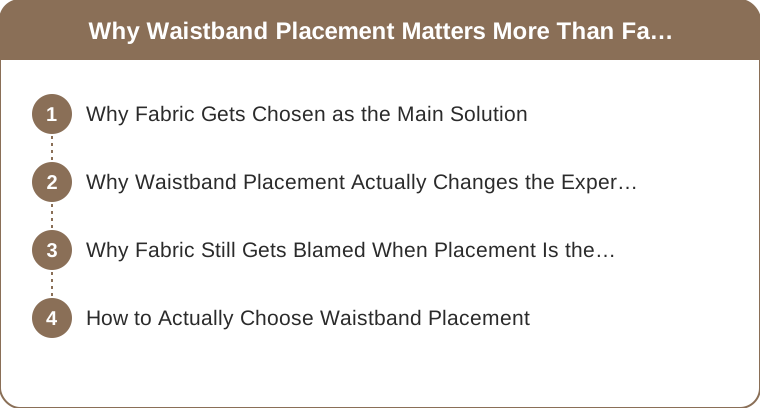
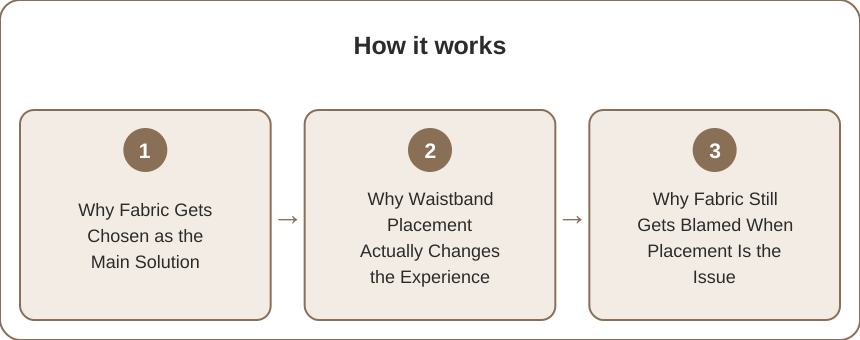
Why Fabric Gets Chosen as the Main Solution
The material-first shopping habit: stretch content and shapewear-style lining being the most heavily marketed features on tummy-focused garments, which makes fabric feel like the primary lever to pull when comfort and confidence are the goal.
Why Waistband Placement Actually Changes the Experience Just as Much
The anatomical reality: a waistband sitting right at the narrowest point of the torso, generally the natural waist, resting against the body’s own structural point rather than pressing against softer tissue above or below it, and a waistband that lands even an inch off that point, digging in above the navel or resting low over the stomach, can feel uncomfortable and unflattering regardless of how stretchy the fabric is.

Why Fabric Still Gets Blamed When Placement Is the Issue
The overlap: discomfort from a poorly placed waistband feeling similar to discomfort from stiff or non-stretchy fabric, both showing up as a tight, digging sensation, which makes it easy to blame the fabric and buy a stretchier version of the same wrong placement.
How to Actually Choose Waistband Placement
The practical check: trying a garment on and specifically noting where the waistband lands relative to the natural waist, adjusting toward a higher or slightly different rise if the current placement digs in or feels unsupported, rather than assuming a different fabric alone will fix it, and the frame (waistband placement at the body’s natural narrowest point matters as much as fabric — checking where it lands is what actually predicts comfort.)
Garments marketed toward tummy comfort get chosen mainly for their fabric, reaching for stretch or shapewear-style lining as the main solution. But a waistband sitting right at the narrowest point of the torso rests against the body’s own structural point, and one that lands even an inch off that point can feel uncomfortable regardless of how stretchy the fabric is. Discomfort from a poorly placed waistband feels similar to discomfort from stiff fabric, both showing up as a tight, digging sensation, which makes it easy to blame the fabric and buy a stretchier version of the same wrong placement. Checking where the waistband actually lands relative to the natural waist is what actually predicts comfort.
Keep Reading
This article is for general styling and informational purposes only. Trends, sizing, availability and pricing may vary by brand and season.